
An EV claim is often a sensors-and-battery claim wearing a bumper cover. That is why the premium can look disconnected from the electricity you no longer buy at the pump.
Canadian insurers have more EV data than they did in 2020 and still less than they have for a Civic. Repair networks, OEM parts delays, and high-voltage safety procedures add labour. Driver-assistance cameras in the windshield turn a glass claim into a calibration claim. The traction battery is a unique total-loss conversation.
Is the battery covered?
As part of the vehicle, the battery is generally included in collision and comprehensive, subject to the same deductible and to total-loss maths. What you want in writing: is there a sub-limit? Does degradation from a covered hit get you a used battery of similar state of health, or a new module? Is fire originating in the pack treated as comprehensive?
Manufacturer battery warranties cover defects, not crash damage. Do not conflate them on a claim call.
Why some quotes sting
- Higher average repair costs and fewer certified shops in smaller cities.
- Theft rings targeting certain models — comprehensive rates follow.
- Vehicle value: a well-equipped EV can sit in a premium band beside luxury ICE cars.
- Your postal code and overnight parking (garage versus street) still matter more than the badge.
Charging equipment
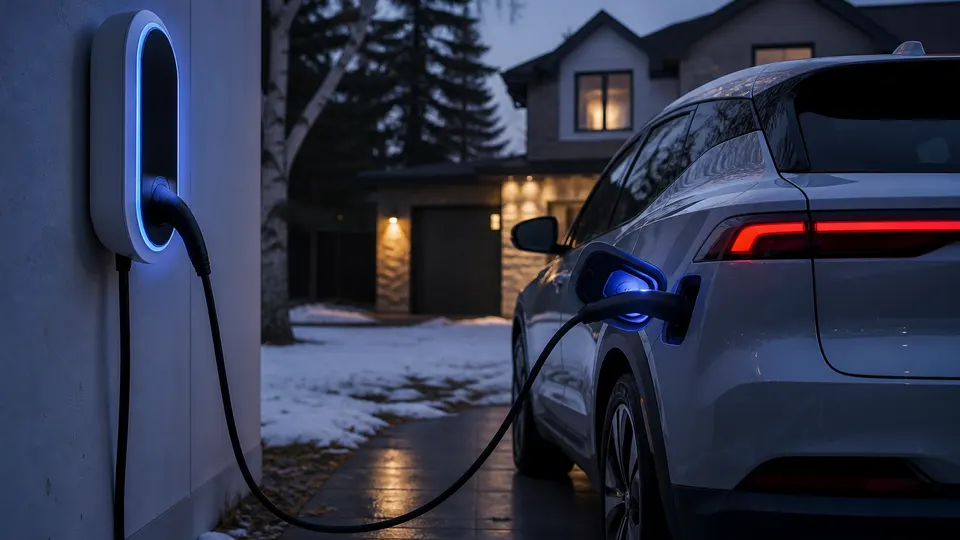
A Level 2 wall charger is often a home-insurance item (dwelling or detached equipment), not auto. If you rent, ask who owns the pedestal. Damage from a failed install can become a liability argument between electrician, manufacturer, and you — none of which is “the car policy.”
A Markham example
A modest parking-lot bump cracked a bumper and knocked a sensor out of alignment. The cosmetic part was available; the calibration wait was two weeks and a rental. The insured had purchased a rental-coverage limit that ran out on day 12. They now buy more rental days on the EV than they did on the gasoline car they sold, because the bottleneck is the shop queue, not the body panel.
Questions at quote time
- Any EV-specific endorsements or battery sub-limits?
- OEM versus aftermarket parts on ADAS-related repairs?
- Rental or loss-of-use days — increase them.
- Where is the nearest approved repairer?
Insuring an EV is still auto insurance. It is auto insurance with a more expensive nervous system. Price it that way, and the premium is easier to interpret even when it is not easier to like.